WRITING FOR NEW MEDIA
Module 9
Process Writing: Content
Objectives
- Introduce process writing.
- Discuss the different types of process writing
Methods
- Critical analysis.
- Critical thinking.
- Organization exercise.
Introduction
Process writing is one of the most familiar types of writing there is, but it is also one we rarely think about as such.
For example, all these modules you have been reading for class are actually based on a particular process of learning that has been designed for you. A more familiar kind of process writing is in manuals for everything from appliances to your gadgets. We might not even read these anymore, but even how we use these machines is borne of a clear process: first, you plug it in; next, you turn it on, etc. etc.
And think of all the apps that you use, from Tiktok to Instagram, and even Facebook and Twitter. Those actually come with a version of “manuals,” a how-to list. But often we just learn how to use these apps and platforms, without thinking much about the steps towards learning. This doesn’t mean we aren’t learning it on our own step-by-step; it just means that the process of learning might be different for every person.
Process writing is also in your DIY videos, where you are taught, step-by-step, how to do everything from cutting your own bangs, to cooking perfect scrambled eggs, from what to do when you get a flat tire, to how to get from one place to another.
Process Writing
For the purposes of this class, we will be talking about process writing as a conscious, deliberate, thoughtful kind of writing that seeks to lead your reader from a beginning point to an end point you’re trying to make about an issue.
This requires a very clear sense of how you want to start and how you want to end, and then deciding on the material that will be important to tell your reader in between.
Process writing after all is really about bringing your reader from a starting point of no or little knowledge, to a point of understanding or knowledge.
Analysis Exercise
Look at the following process infographic from the Department of Health. How would you improve how these are written?
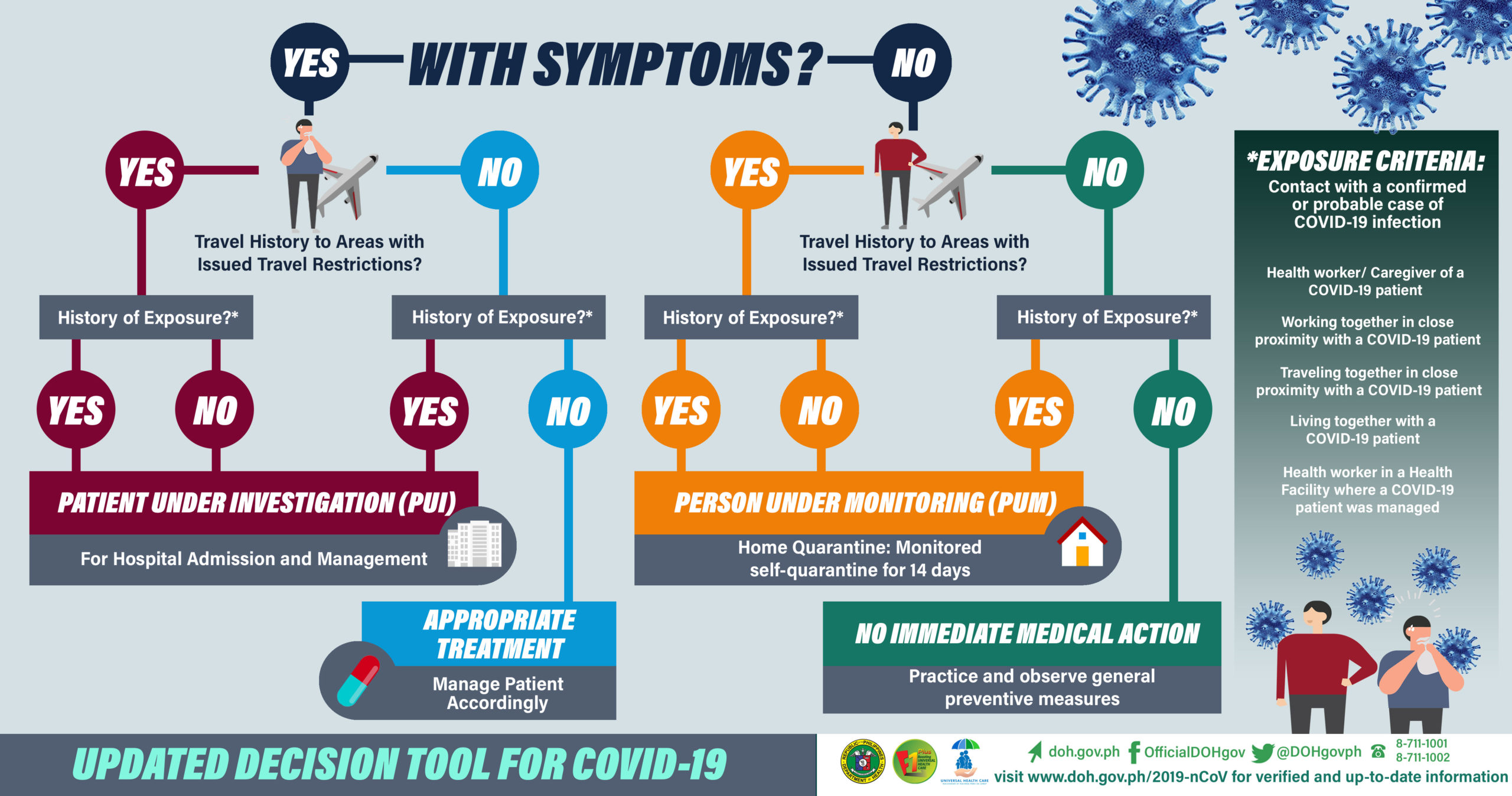
Here are some guide questions for analyzing a process infographic such as this one:
- What “process” is it walking its audience through? Does it clearly state what that process is?
- Is there a clear step-by-step process detailed?
- Is each step of the process logical? Does each step make sense?
- Do you, as reader, understand the process(es) that it walks you through?
- How would you edit this kind of process infographic?
Organization Exercises
These are four jamboards with four different processes. Open each one and figure out the proper order so that the process makes sense. TIP: Choose the first post-it for the title or headline, and the last post-it for the conclusion. And then fill-up the in-between. What kind of organization makes sense for you? How would you organize it to make sure a reader understands the main points well, and shifts from the starting point (the title) to the conclusion seamlessly?
Exercise 1: How to Write an Essay.
Exercise 2: How to Write a Feature That Will Get You Readers.
Exercise 3: Keeping Sane During Online Learning.
Exercise 4: How Duterte Clamped Down On Rights During Pandemic.
Once you’re done with this, you can move on to the next module on Copywriting. ***